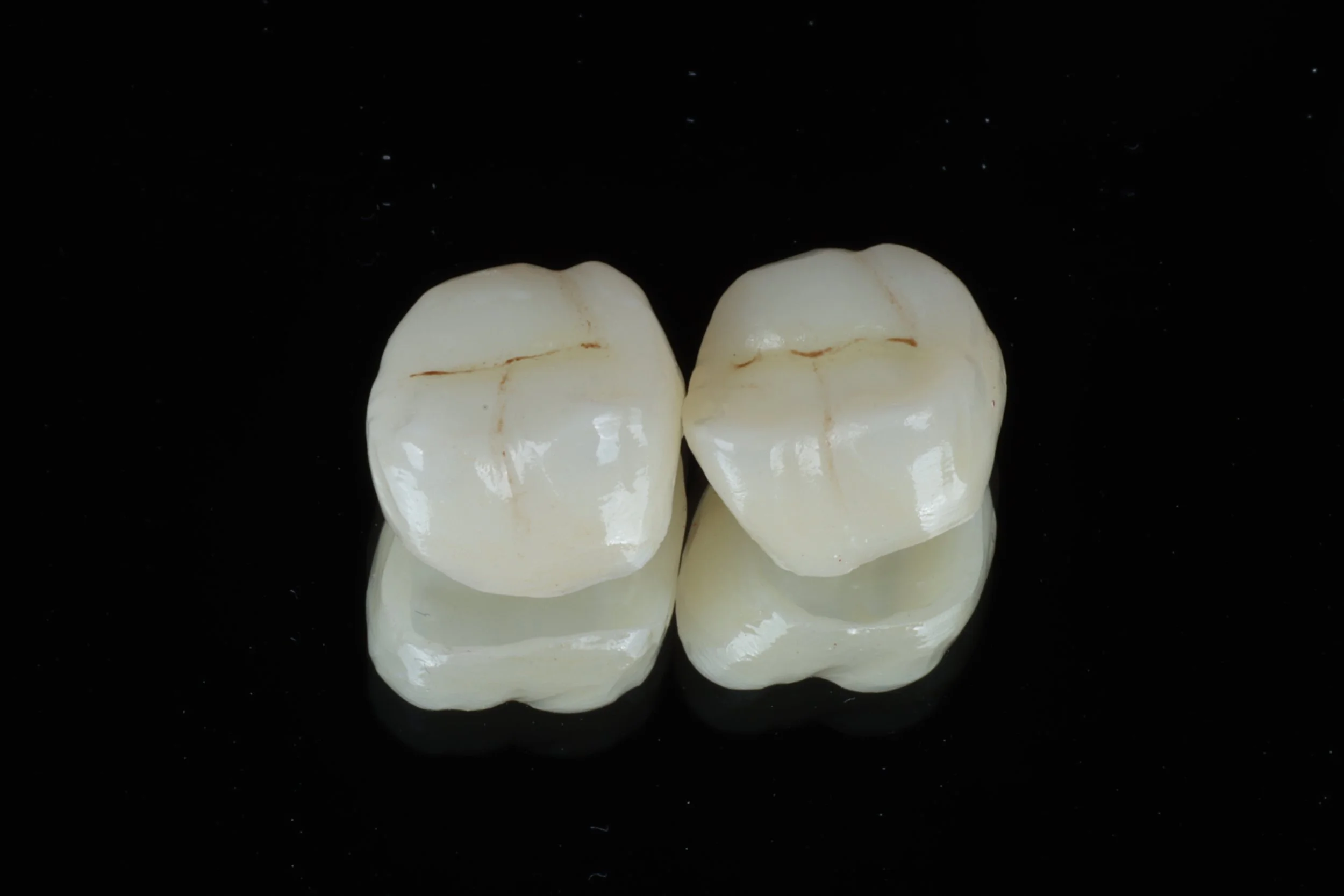
Crown & Bridge
We provide a comprehensive range of fixed crown and bridge, from single-units through to complex multi-unit rehabilitation.
Our work encompasses anterior and posterior crowns, conventional bridgework, implant-supported crowns and bridges, and more complex restorative cases, with solutions selected to suit the clinical requirements of each patient.
We work with a broad range of contemporary restorative materials and offer fully digital and conventional workflows, allowing cases to be managed according to the clinician's preferred approach.
Our aim is straightforward: restorations with accurate fit, stable occlusion, natural anatomy and predictable aesthetics, delivered with the consistency and attention to detail expected from a specialist laboratory.
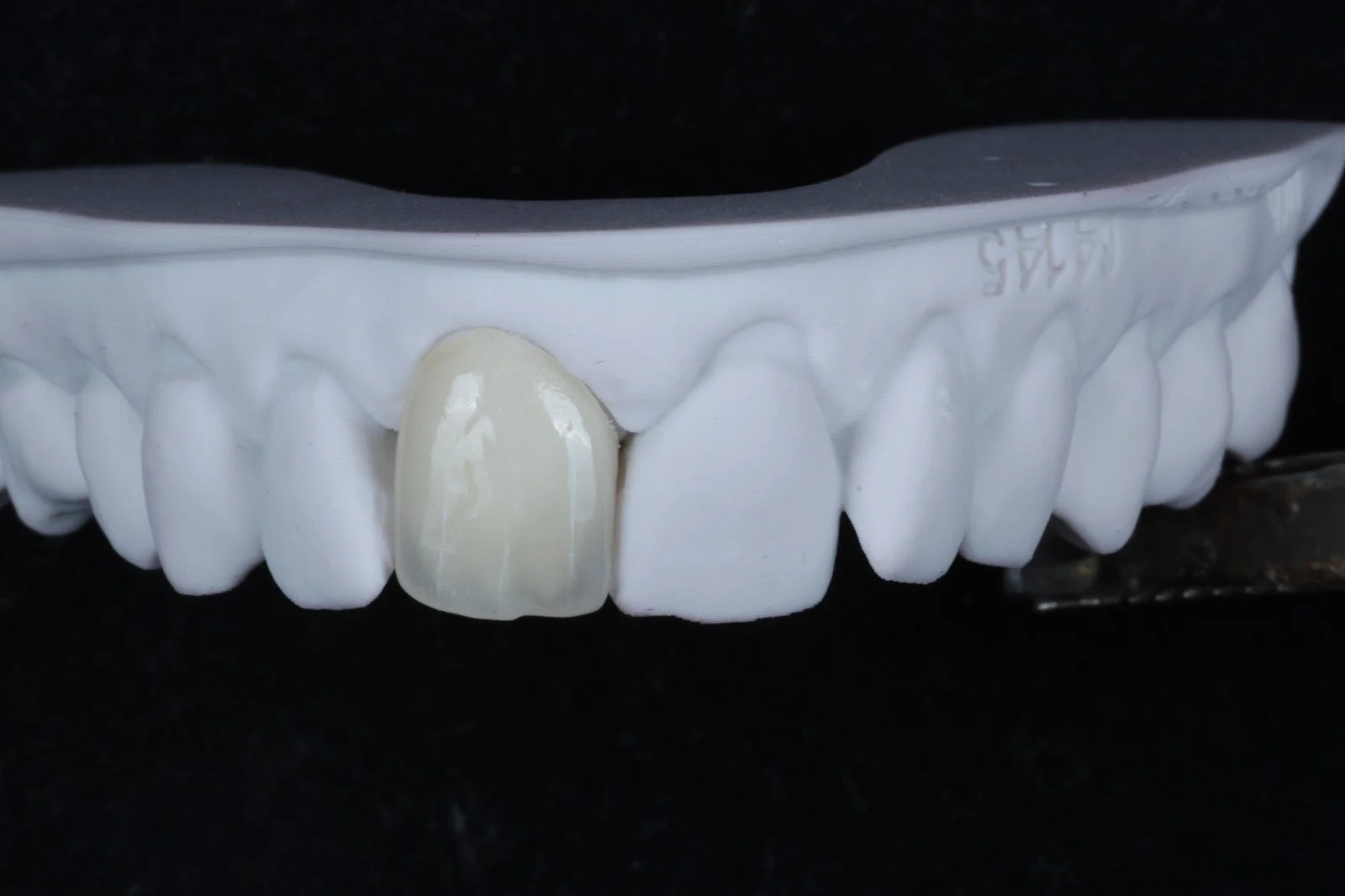
Porcelain Fused to Metal
A proven restorative solution combining an SLM or milled metal substructure with veneering porcelain.
PFM restorations offer predictable strength, established clinical performance and the ability to achieve excellent aesthetics, making them suitable for a wide range of anterior and posterior applications.
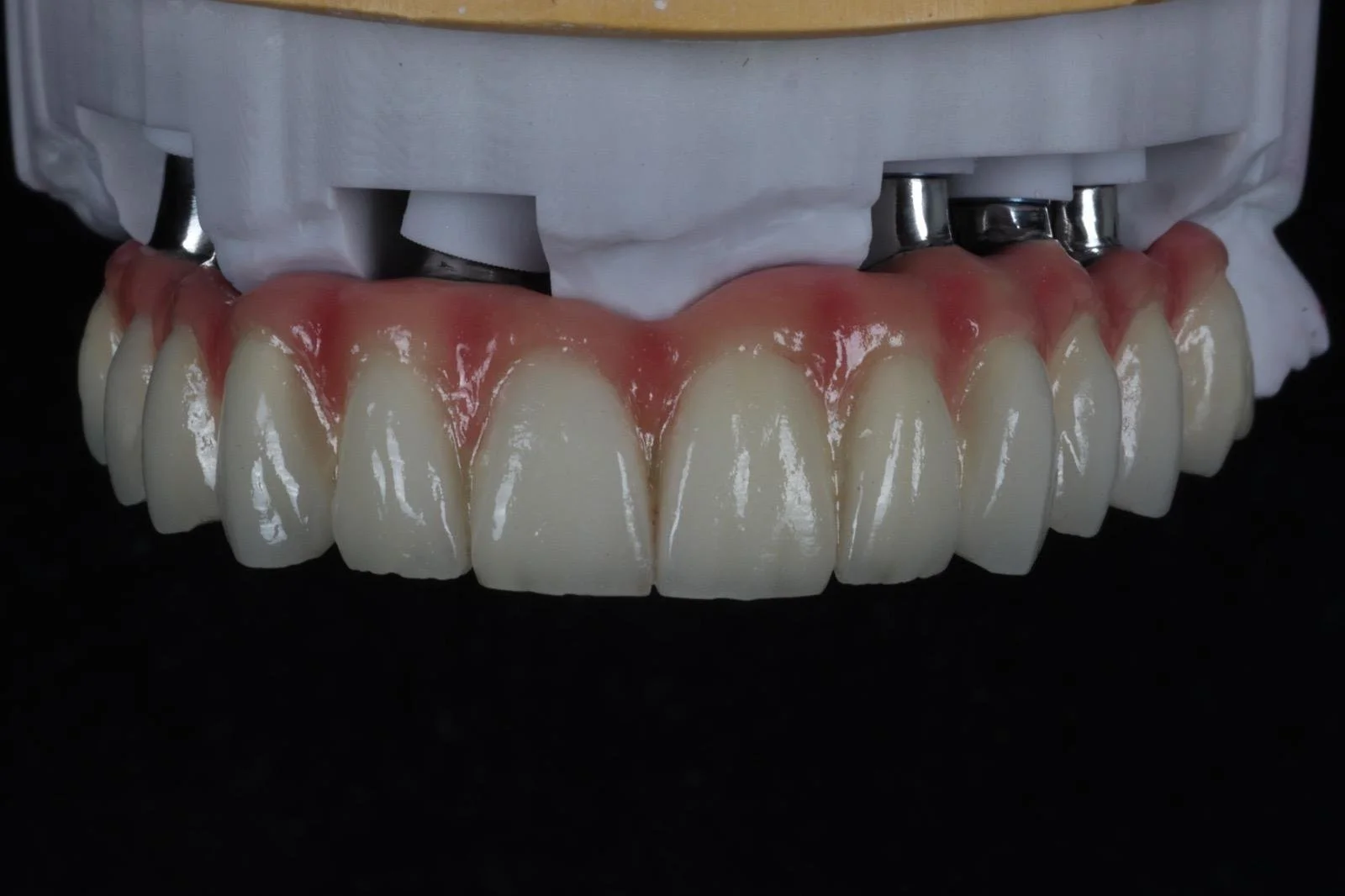
Porcelain Fused to Zirconia
A milled zirconia framework veneered with porcelain, combining the strength and rigidity of zirconia with the aesthetic of hand layered ceramic.
Particularly suited to cases where a high aesthetic demand and a more natural, individually characterised appearance are required.
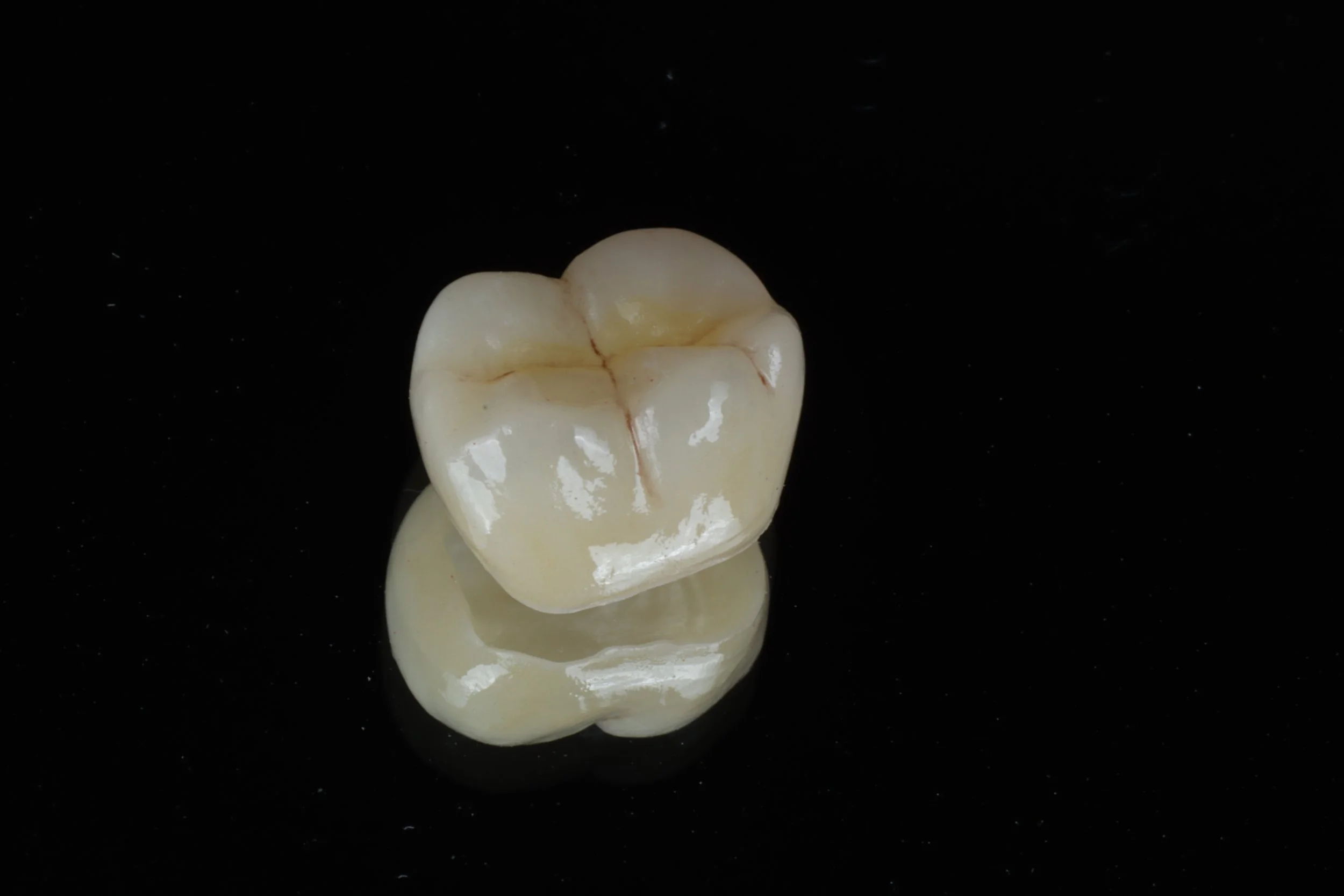
Monolithic Zirconia
Monolithic zirconia provides high strength and fracture resistance without the need for a veneering ceramic.
Its durability makes it well suited to posterior crowns, bridges and implant-supported restorations. Modern high-translucency multi-layer zirconias allow excellent functional and aesthetic results in both anterior and posterior zones, without compromising material performance.
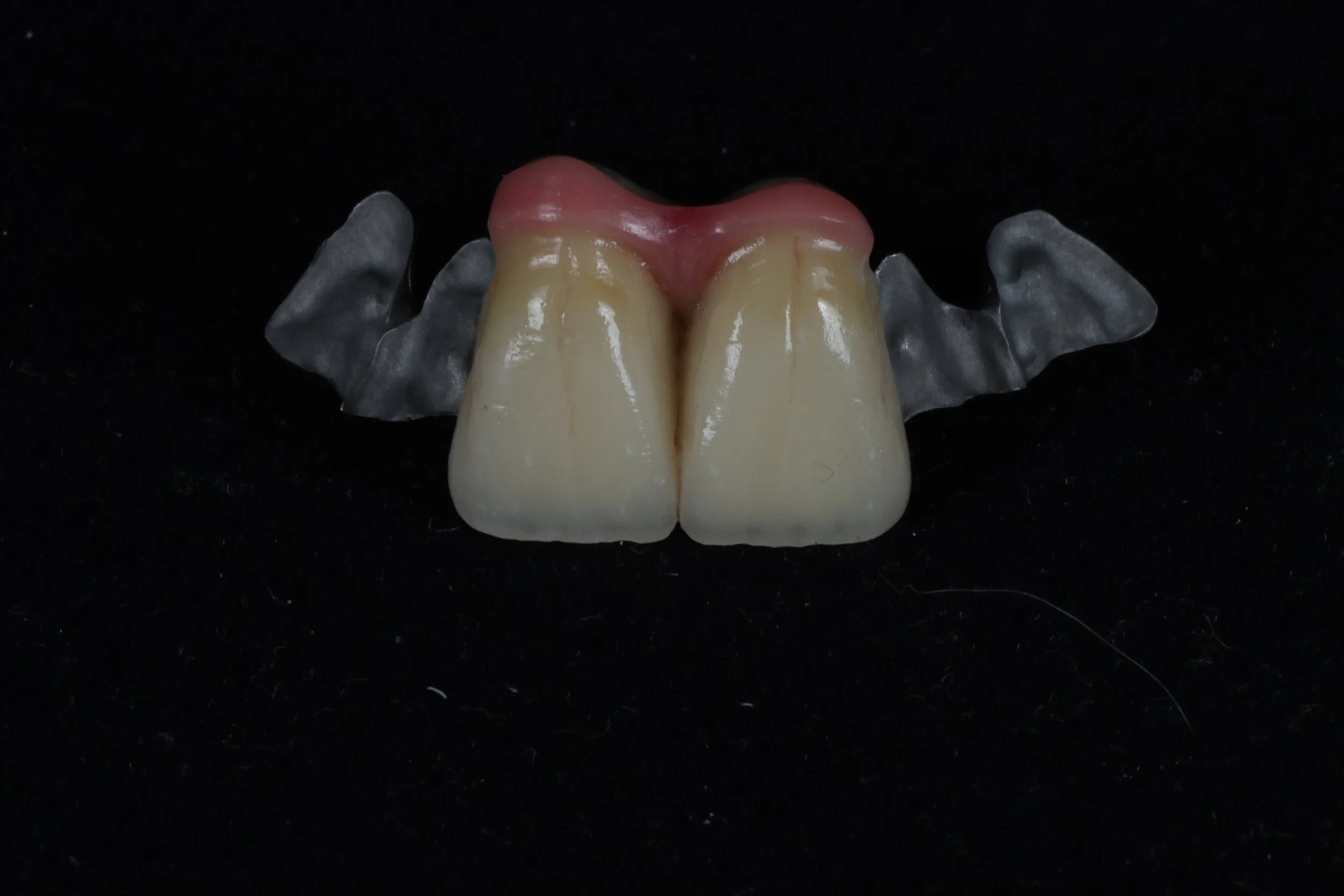
Lithium Disilicate
Lithium disilicate, often referred to as EMAX offers an excellent balance of optical properties, strength and excellent bonding capacity.
Its high translucency, shade accuracy, ability to be pressed or milled and finished by staining or layering make it particularly well suited to anterior crowns, veneers and selected posterior restorations where aesthetics and bond strength are a primary consideration.